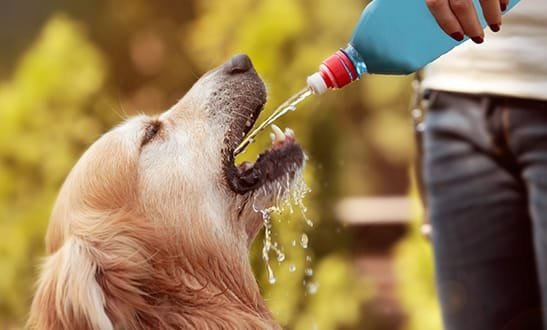
Is your pup’s water dish often full by day’s end? Ever feel you never see her take a sip?
It’s undeniable: Water is pivotal. Think about those times you’ve worked long hours and neglected your hydration. The result? Possible headaches, digestive discomfort, or even urinary concerns.
Similarly, dogs require water for all physiological functions. It’s crucial they always have access to pure, fresh water—even if it occasionally leads to indoor accidents. It’s more manageable to take your dog outside more often or sort an indoor restroom arrangement than face health issues like kidney stones or urinary infections.
Wondering how to encourage your dog to hydrate more?
Making Water Tastier for Dogs – Top 10 Tricks
- Bone Broth: Available in pet stores, can be made at home, and even found in human sections. Ensure it lacks onions and salt. Though pricey, you can freeze and use an ice cube at a time for cost-effective flavor.
- Yogurt or Kefir: Opt for unsweetened variants. Though they contain lactose, live enzymes ease digestion.
- Raw Goat’s Milk: Not always easy to locate, but specialty pet stores may have them. Powdered versions are a good alternative.
- Honest Kitchen Beverages: While certain flavors might have been phased out, there are other drink mixes which can go a long way when diluted.
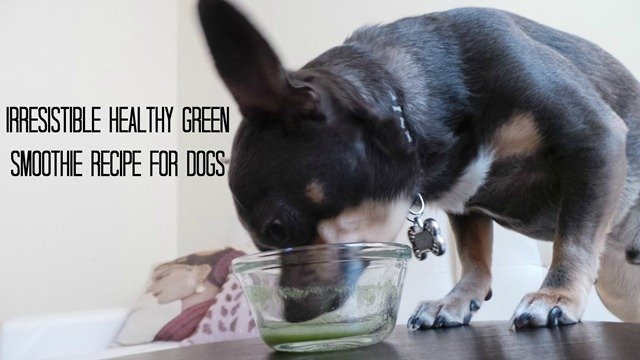
- Smoothies: A hit with canines, you can freeze these for an anytime flavor boost.
- Tea: Packed with antioxidants beneficial for health. Most herbal or green teas are safe, but always cross-check ingredients, especially if your pet is on medication or has a health condition.
- 100% Apple Juice: Even the no-sugar versions contain natural sugars, so use sparingly. Mix with ample water. Remember, no grape juice, as it’s harmful to dogs.
- Baby Food Purees: Meat-based variants can be watered down to make a palatable drink.
- Fish Water: The liquid from canned sardines or tuna (in water) is a tasty treat. Ensure it’s salt-free.
- Dehydrated Liver Snacks: These can be soaked to create an enticing broth, which is also a training incentive when aromatic.
Water Intake: What’s Ideal for My Dog? Typically, a dog needs around 0.5-1 ounce of water per pound of body weight daily. For a 30-pound dog like Cow, that’s roughly 1.8-3.75 cups.
Yet, dogs don’t strictly need to meet this “quota” daily. A lot of their hydration can come from food. In the wild, animals derive much of their water from the moisture in food. Hence, dogs fed solely on dry food might not instinctively drink enough to compensate for the lack of moisture.
Water-Enriched Meals for Dogs Originally, kibble was meant to be rehydrated. You can let your dog’s food sit in water, transforming it to a gravy-like consistency or even a mush, which can be refrigerated for up to three days.
Adding water won’t help in dental cleaning, but then, dry kibble isn’t the best dental cleaner either. Hence, brushing remains vital.
To understand the benefits of water-enriched meals and methods, refer to our detailed post. You could also introduce your dog to diets with higher moisture content.
Prioritizing Fresh Water for Your Dog No matter their food or other beverages, dogs should always have fresh water available.
Ideally, their bowl should be cleaned and refilled daily. Having multiple water dishes, as I do in my apartment, can be handy.
Opt for larger bowls as they dilute potential bacteria and remain clean for longer. Clean them regularly to avoid biofilm, a bacteria-laden residue.
Stainless steel or ceramic bowls are preferable. Plastic ones can get minute scratches, becoming bacterial breeding grounds. Cleaning with hot, soapy water or in a dishwasher ensures sanitization.
Dental additives can help maintain your dog’s oral hygiene and potentially purify their water.
Accessible Water Sources are Key! Place water dishes in every room your dog frequents. They shouldn’t travel far just for a sip. Dogs, like us, might not always go the extra mile for hydration.
Observations might show a preference in bowls. For instance, dogs with collar tags might be disturbed by the noise against a metal bowl.