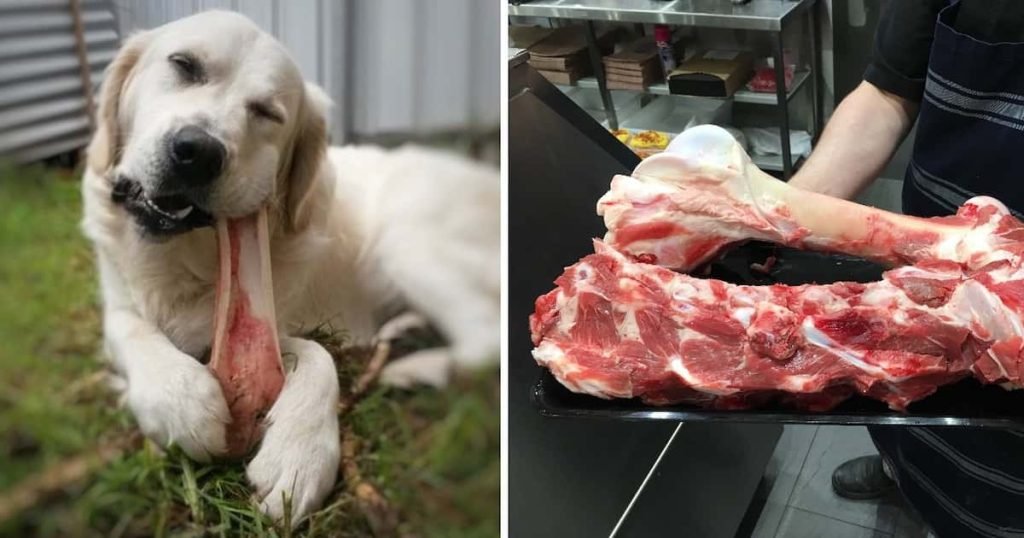
If you’re someone who’s active on pet-centered social media or a regular on this blog, you’ve likely come across enthusiasts feeding their dogs “raw meaty bones.”
It’s easy to see why dogs are thrilled with these treats. They adore munching on these crunchy delights. And if you’re like me, there’s something oddly satisfying about hearing the sound of it. The sheer joy on a dog’s face when they’re handed a delicious raw treat is something to behold.
But are there actual health benefits to giving dogs these raw meaty bones?
Indeed, there are!
Let’s dive into the known benefits of raw bones for dogs, potential advantages, and crucial pointers you should be aware of before introducing this treat.
Do Raw Bones Help In Cleaning A Dog’s Dental Hygiene? A fascinating study by Rutgers University discovered that raw meaty bones substantially decreased oral bacteria, even more effectively than CET toothpaste brushing.
Although the research involved only six dogs and doesn’t claim to be the definitive answer, there’s no denying the numerous first-hand experiences shared by those who feed raw. Many have vouched for the improvement in their dogs’ dental health and the freshness of their breath since starting the raw diet.
So, how exactly do raw bones assist in this?
- Raw bones might possess enzymes or beneficial bacteria that combat plaque and tartar. Although widely believed among raw-feeders, there’s no concrete proof linking the enzymes in meat to those in specialized dog toothpastes.
- Raw bones engage a majority of a dog’s teeth, unlike most dental chews. Observing a dog with a raw bone, you’ll see them tearing with their front teeth and grinding using their molars.
- Meat on the bone acts as a natural floss.
- The chewing motion massages the gums, aiding in reducing potential under-the-gum buildup.
- Chewing stimulates saliva, which helps in washing away bacteria, subsequently being neutralized by stomach acids.
Additional Benefits of Raw Bones Apart From Dental Health Raw bones are a calcium source for those who strictly follow a raw diet for their dogs. For others, it’s a delightful occasional treat.
Chewing on a bone is also physical exercise, working out the dog’s neck, jaws, and shoulders. Additionally, it’s mentally engaging, especially for active dogs or those with anxiety.
A dog’s overall health can significantly benefit from healthy teeth. Poor dental health can lead to oral infections, risking organs like the heart, liver, and kidneys.
Why Raw Bones Might Not Get A Vet’s Thumbs Up Despite the advantages, many veterinarians are cautious about recommending raw bones.
This caution primarily stems from the preference for extensively researched and scientifically-backed products and practices. A small study like the one from Rutgers University doesn’t compare to the extensive research behind commercial foods and dental chews.
It’s crucial to know that vets don’t earn commissions on selling food. Companies behind veterinary diets also contribute to veterinary research and educational materials.
Veterinarians often encounter the downsides of raw diets – dogs with broken teeth, blockages, and dietary imbalances. They also bear in mind the safety of pet owners in terms of handling and sanitizing raw food, ensuring no spread of diseases like salmonella or e.coli.
Though I steer clear due to bacterial contamination concerns, raw bones have undeniable benefits in an ideal, contamination-free world.
Always ensure supervision when your dog is chewing bones to prevent choking hazards or tooth fractures.
Michel Selmer, DVM, an expert at Long Island Veterinary Specialists, emphasizes the benefits of bone broth in Traditional Chinese Veterinary Medicine, especially for conditions related to the kidney.
While you may not always align with your vet’s views, their expertise should not be overlooked.
For those considering introducing raw bones to their dog’s diet, consulting an experienced integrative veterinarian is advisable to ensure the dog’s well-being and be aware of all associated risks.