Dogs can enjoy a variety of foods that humans consume. However, some of our favorite foods are harmful to them.
For instance, even tiny quantities of grapes and raisins can lead to kidney issues. Most of us are also aware of the risks associated with chocolate for dogs.
Yet, some foods are unjustly labeled harmful for dogs when they’re not entirely dangerous.
Here are some insights about foods that might not be as bad for your dogs as you’ve been led to believe. Always be cautious and ensure that you understand why a food might be risky before offering it to your pet.
Introducing a new food can upset your dog’s stomach if given in large quantities.
Always consult your veterinarian if you’re unsure.
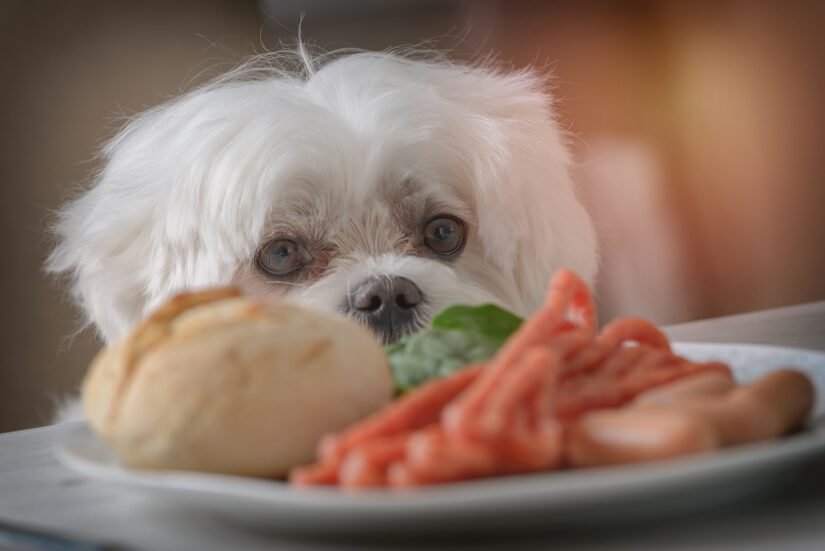
Human Food: Ever heard the advice not to feed your dog human food, but only pet-specific products? Dogs aren’t limited to such a narrow range of food. There’s no distinct category as “human food.” Ideally, highly processed items like fast food or candy should be avoided for both humans and animals. However, dogs can safely enjoy fruits, veggies, meats, fish, eggs, and certain nuts and seeds. Always be aware of foods like grapes, chocolate, onions, and macadamia nuts which are indeed toxic for dogs.
Avocados: The internet is awash with warnings about avocados being poisonous for dogs. This stems from the persin content in avocados, a toxin found throughout the plant. However, the actual fruit part we consume has only trace amounts of this substance. Some research even supports the idea that dogs can eat avocados safely. It’s rich in healthy fats but should be given in moderation.
Eggs: Feeding your dog raw eggs and meats is generally safe if done correctly. Some folks think raw eggs can lead to biotin deficiency in dogs due to a protein in the white part. However, if both the white and yolk are given, it’s usually not an issue. While eggshells can be a calcium source, it’s important to know how eggs are treated in your country before feeding the shell.
Garlic: While garlic, onion, and their relatives can be toxic to dogs in large quantities, a small amount might be beneficial. Some believe garlic can help ward off infections and even fleas. But it’s best to be cautious and not make it a regular part of their diet.
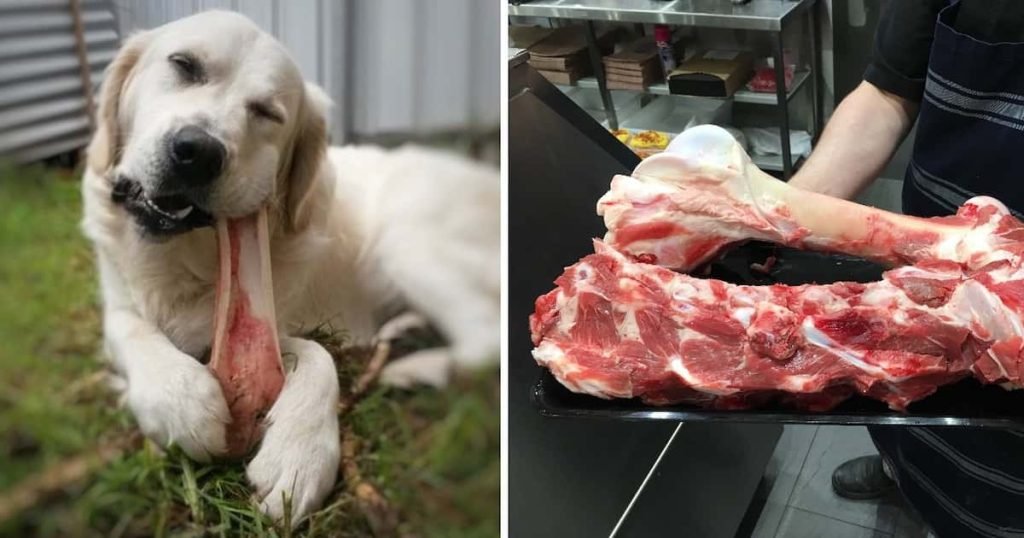
Bones: This one is a bit complicated. Cooked bones can be hazardous as they become brittle and might splinter. Raw bones, particularly from poultry, can be softer and more digestible. But they come with their own set of risks, like potential tooth fractures or choking hazards. If you’re giving your dog bones, always supervise them.
In conclusion, while it’s tempting to share our foods with our furry friends, it’s crucial to be well-informed about what’s safe and what’s not. Always err on the side of caution and consult with a vet when in doubt.