Do you ever moisten your dog’s dry food?
Adding water to your dog’s dry food might feel like an unnecessary step. And if not done correctly, you could end up with a sloppy mixture that neither you nor your dog appreciate.
But, if done the right way, this simple addition can offer numerous health advantages.
Why You Should Consider Moistening Your Dog’s Dry Food
- Urinary well-being: Enhancing the moisture content in your dog’s meal aids in decreasing the chances of kidney stones and urinary infections. It also assists the kidneys in flushing out waste.
- Gut health: Wetted dry food can be more digestible for your pet. If you’ve observed undigested dry food in your dog’s vomit, you’ll know it isn’t broken down much in the stomach. Some experts suggest that wetting food can help prevent certain gut issues like bloat. The added water also facilitates its passage through the gut.
- Weight management: The extra water can make your dog feel fuller without adding more calories.
- Taste: When you use warm water, it releases the tempting scents of the dry food. Plus, when the food is wet, it’s easier to mix in flavor-enhancing toppings.
- Avoid hasty eating: Does your dog gobble down food? When you add water, it can deter them from eating too swiftly, thus aiding digestion.
For an additional nutrition boost, consider adding bone broth, kefir, or raw goat’s milk instead of water.
An option to consider is the powdered goat milk from Honest Kitchen, which is both convenient to store and budget-friendly, yet offers the same digestive perks.
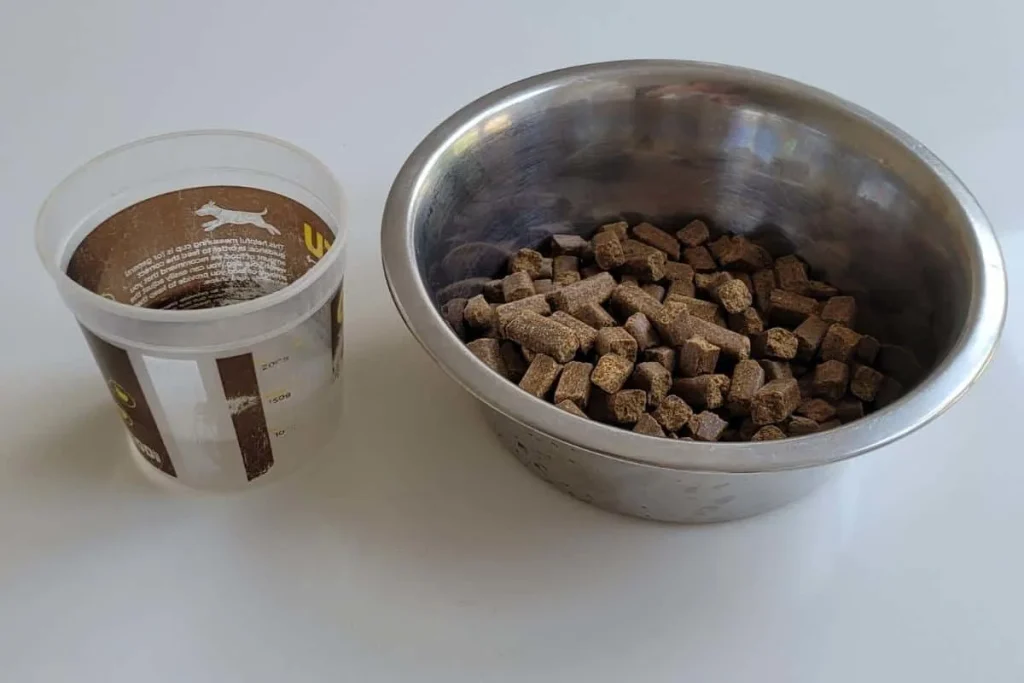
How to Moisturize Your Dog’s Dry Food I’d recommend mixing half a cup of water for every cup of dry food. The temperature of the water determines how quickly the food softens. Ensure the food reaches a safe temperature before serving.
Merely adding water to the dry food without letting it sit is known as “floating” the food. This technique slows down the eating process but may not aid digestion.
Letting the food sit for around ten minutes usually softens it without making it too mushy.
For those with a tight morning schedule, consider preparing a larger batch in the evening, use half for the evening meal, and refrigerate the rest for the next morning. This method turns the consistency similar to pate dog food.
Remember, moistened dog food can spoil fast, so remove any uneaten portions after 20 minutes and store leftovers in the fridge for up to 48 hours.
Doesn’t Dry Food Help in Cleaning My Dog’s Teeth? You might have heard that dry food aids in dental hygiene. The idea is that its crunchiness helps in removing tartar.
But here’s the truth: dry food doesn’t genuinely contribute to dental hygiene.
Carbohydrates in dry food break down into sugars, which can cling to teeth, leading to plaque.
Using the analogy of humans, munching on crispy chips won’t clean our teeth. Similarly, dry food won’t clean your dog’s teeth.
Research on diet and canine dental health yields varied results. But it’s important to note that a significant percentage of dogs face dental issues by age 3. And since most dogs consume dry food, its efficiency in plaque removal can be questioned.
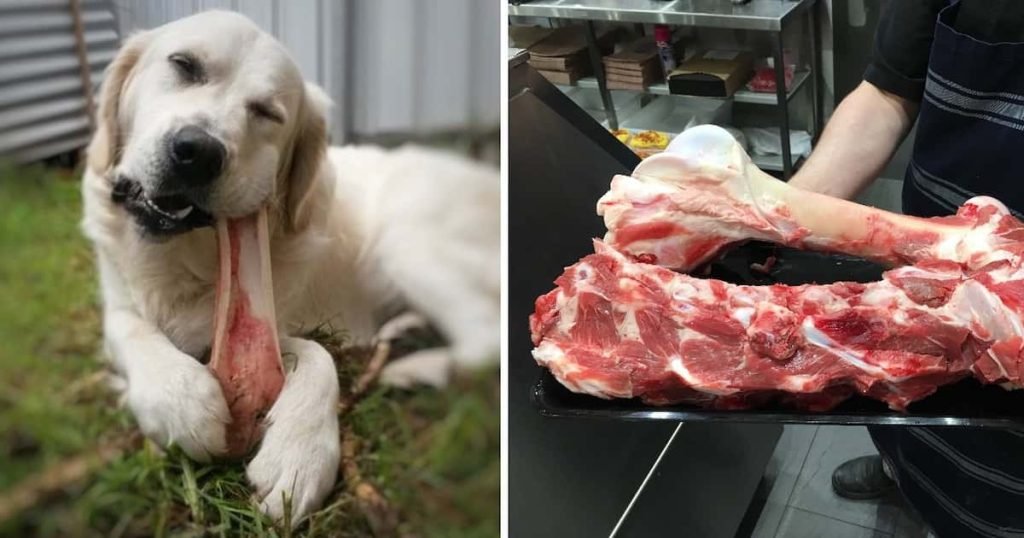
The takeaway? Regardless of your dog’s diet, maintain regular dental care routines like brushing their teeth, feeding them raw meaty bones, and scheduling professional dental check-ups.
Is Wetted Dry Food Beneficial for Dogs? Purely on its own, dry food isn’t the optimal diet for dogs. While most dry foods offer a balanced nutrient profile, the way it’s processed makes it less digestible for dogs. The carbohydrate content in it is also linked to obesity and dental issues in dogs.