
Is your pup giving a cold shoulder to her new medication? Perhaps she’s snubbing that pricey new food or ignoring her brand-new chew toy?
Like us, dogs have their own unique likings when it comes to food flavors and textures.
It’s okay to find and offer foods and treats they truly enjoy.
However, there are moments when you need to encourage your furry friend to venture into new culinary territories.
Initially, unfamiliar smells and tastes might not strike them as “food.” But with a dash of encouragement and positive experiences, you can cultivate new favorites for your dog.
Here are strategies to get your dog interested in that not-so-favorite item:
Turn it Into a Reward: Dogs appreciate earning their food. Think about it – isn’t a meal after hard work always more satisfying? Engage your dog in some commands or tricks and then offer the treat she’s avoiding. This might make it more appealing.
Make it a Game: Food becomes intriguing when it’s moving. If she’s shying away from new kibble, perhaps tossing a few around for her to chase might make it fun. Alternatively, conceal them in toys or mats that make her search for them.
Add Some Flavor: Perhaps your dog finds the food too monotonous or dislikes its taste. Dogs primarily rely on their sense of smell. Mask the aroma with something strong, and they might dig right in. A dollop of canned fish, like sardines or salmon, could do the trick. Crushed freeze-dried liver or the crumbs from treat packets can also be enticing. If you’re dealing with dry food, blend it with warm water, add the flavorful addition, mix well, and let it sit for a bit. The taste will saturate every morsel. A dab of peanut butter can also make a difference, but remember it can be rich in fats and sugars.
The Accidental Drop: Does your dog jump at the chance of snatching anything that lands from your plate? Then, serve her unwelcome food in a plate and pretend to drop it. If it’s something you can eat, like veggies, share it with your dog. There’s even research suggesting dogs use social cues for their food choices. For instance, dogs seemed to prefer food whose scent they detected on another dog’s breath.
Adjust the Temperature: Sometimes, a little warmth can make the food aroma stronger and more enticing. Alternatively, try freezing it for a different texture. Some chews, like yak chews, can become more approachable with a splash of warm water.
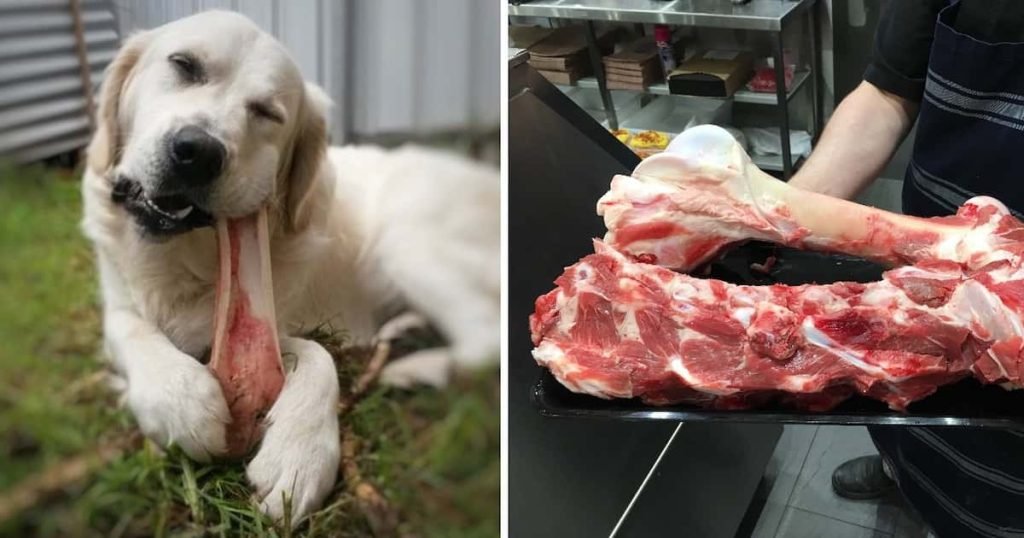
Lend a Hand: If it’s something like a bone or chew, holding one end can offer stability, making it easier for your dog to give it a whirl.
Use these tips, and soon your dog might warm up to things she once turned away from.