
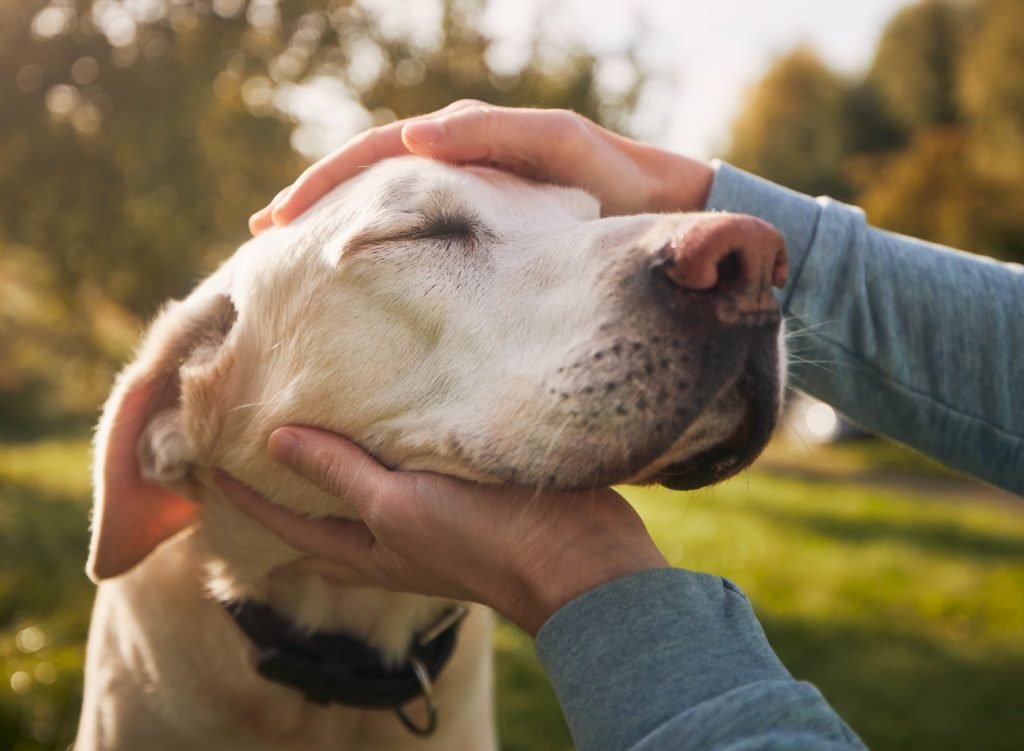
Today, I took Cow for her inaugural dental visit. Emotions welled up as the vet assistant led her away with a cheerful, “Come on, let’s walk!”
Thankfully, there’s good news. They don’t anticipate any teeth extractions, just a Grade 2 cleaning. The last time she was under anesthesia was during her spaying procedure at around one year of age. Before anything, they’ll conduct some blood tests, which eases my concerns.
Yet, my mind can’t help but wander to that inevitable last vet visit. I hope, when the time comes, it’s peaceful, with them surrounded by loved ones.
I know I sound overly emotional.
Both Matilda and Cow are inching towards their eighth birthdays, given they were born in April or May seven years ago.
I remember the surprise I felt last year seeing Matilda’s dental bill mention a “senior blood panel” instead of just standard bloodwork.
When Does a Dog Transition to Seniorhood? Typically, small dogs are categorized as seniors around the age of 10, whereas larger breeds might receive this tag as early as age 5. The larger they are, the quicker they age.
However, Matilda and Cow’s situations feel unique. Matilda, despite being a petite Chihuahua mix, started showcasing a grey muzzle when she was only four. Cow, weighing roughly 30 pounds, may not display obvious aging signs, but internally, her age might be catching up.
When is the Right Time for Senior Dog Food? Senior dog diets are primarily high in lean protein to counteract age-related muscle loss and have lower fat content to regulate weight. Ingredients might include glucosamine, MSM, and chondroitin, essential amino acids for joints. These components can alleviate arthritis symptoms, a common ailment in older dogs. Omega-3 fatty acids, beneficial for joint inflammation, cognitive health, and cardiovascular and ocular health, might also be present.
Interestingly, these ingredients suit dogs of any age. Dogs with a higher activity level or those susceptible to injuries might benefit from such supplements.
Due to her sensitive stomach, Cow mostly eats senior weight management food, garnished with light, fresh additives like chicken, eggs, or sardines. Matilda, being a slower eater, occasionally consumes fresher foods.
Starting a senior diet early generally isn’t problematic, but consulting your vet is always a good practice. It’s never too early to introduce senior joint supplements.
What’s the Duration of a Dog’s Senior Phase? I hope my dogs celebrate their quinceañera, and even their Sweet 16 if they surpass that age.
It’s curious how some neglected dogs end up living remarkably long lives, while some pampered ones might not have the same fate.
Assuming Matilda reaches the age of 20, she’d be a senior for 13 years of her life. Humans, becoming seniors at around 60, live an average of 72 years. Yet, they’re considered “old” for only a third of their lifespan.
The reality is, time’s unpredictable for everyone.
So, take a moment today to show affection to your loved ones, whether they walk on two legs or four.