Each day, we see a rise in reported human cases of coronavirus (COVID-19). The influx of information makes it challenging to discern genuine information from rumors and to determine the necessary steps for safeguarding oneself and their community.
Interestingly, owning a dog doesn’t significantly elevate your risk of contracting or spreading the coronavirus. However, there are certain points to consider in these challenging times.
Has There Been A Case Of A Dog Testing Positive For Coronavirus? As of this update, one dog showed a “mildly positive” result from nasal and oral samples. The dog hasn’t shown any symptoms. It’s believed that the dog may have come in contact with the virus through its coronavirus-positive owner.
Given the 10,149 confirmed human cases globally at this point, if pets could indeed contract and fall ill from the virus, we would have probably seen such a case.
It’s worth noting that not every individual with or potentially carrying the virus gets tested. Hence, it’s challenging to definitively state if dogs can spread the virus or not.
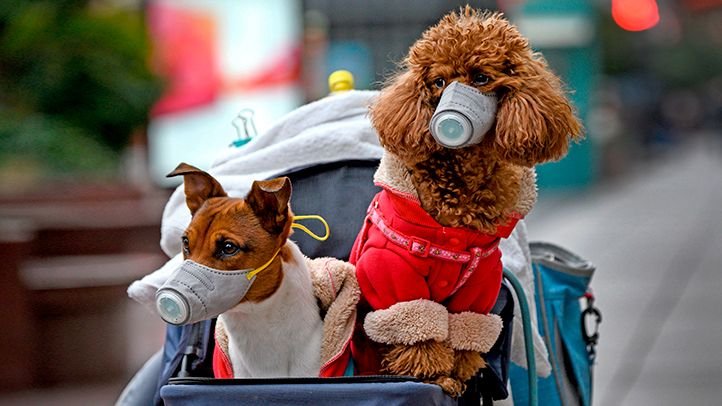
Should My Dog Wear A Mask? Majority of masks for humans offer limited protection against the coronavirus, and it’s even more uncertain for dogs.
An N95 mask might benefit humans due to its particle-filtering capacity, but options that could work for dogs are limited. Even those designed to protect against pathogens may not fit all dog breeds properly. These masks might restrict breathing and cause unnecessary distress to dogs.
It’s also important to remember that dogs are closer to the ground, making them less likely to come into contact with surfaces touched or sneezed on by an infected person.
Potential Transmission Through Dogs A dog’s fur can harbor the virus if they interact with an infected individual. Therefore, if an ill person interacts with your dog, and you subsequently touch the dog and then your face, there’s a minimal risk of transmission.
The longevity of the virus on surfaces is uncertain, but similar viruses have been known to survive anywhere from several hours to days.
How To Clean Your Dog The virus is often transmitted through airborne droplets (from sneezing and coughing) rather than surface contact. However, it might be a good idea to clean your dog’s coat if you’re concerned about potential surface transmission. A study investigating therapy dogs spreading MRSA during visits found that antibiotic shampoo and microfiber wipes significantly reduced transmission risks.
Chlorhexidine-containing antibiotic shampoos, generally for dogs with skin issues, effectively kill bacteria and viruses on the skin and fur.
Practical Measures To Minimize Coronavirus Spread
- Refrain from taking your dog to stores, even pet-centric ones like Petco or PetSmart, unless imperative.
- During vet visits, consider waiting in the car with your dog and request the reception to notify you when it’s your turn.
- Always wash your hands post playing with your dog and prior to eating or touching your face.
- Clean your dog as mentioned above after visits to public places, especially if there are vulnerable individuals in your home.
- If someone in your home falls ill, consider keeping a distance between them and your dog or other susceptible family members.
- Always source your news from credible outlets and verify any dubious information.