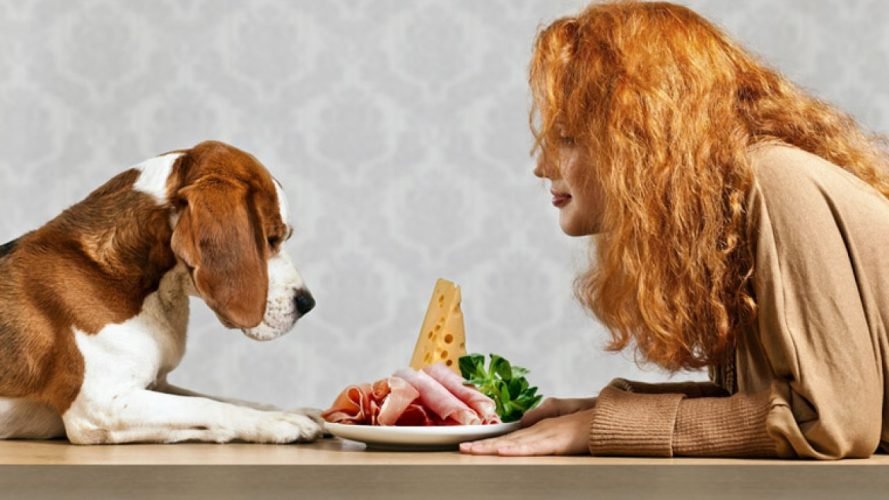
Several days have passed since Easter, and perhaps you’re left with a sizable ham in your refrigerator. Before giving in to the urge to share some with your dog, consider the following.
The Concerns About Ham for Dogs While I advocate for providing dogs with fresh, raw, or cooked meat, ham is often more than mere pork.
Typically, ham varieties like deli slices, boneless, bone-in, and breakfast types, are infused with significant amounts of salt and sugar.
It’s not uncommon for commercial dog foods and treats to have salt and sugar. While salt might be a source of iodine, sugar is added for flavor — dogs have a sweet tooth too.
Furthermore, ham tends to have a higher fat content, especially if you hand over the fatty portions. It’s this high fat content that poses the most immediate danger.
Around holiday seasons, veterinarians often report a spike in dogs presenting with acute pancreatitis.
Acute pancreatitis, an inflammation of the pancreas, occurs when dogs consume an excessive amount of fat. This condition can manifest as vomiting, lethargy, and diarrhea. Dogs might also adopt a posture with their hindquarters raised, resembling a play bow, to alleviate the discomfort in their belly.
This condition is critical and can, in some instances, be life-threatening.
Understanding Appropriate Portions for Dogs While fats, sugars, and salts are vital in small quantities, one must remember that dogs are significantly smaller than humans. Hence, determining the right portion can be tricky.
If you’re sharing food with your dog, family members, particularly kids, might follow your lead and give the dog more than you intended. Children, eager to win a dog’s affection, often can’t resist sharing treats.
A firm rule against feeding dogs from the table sets a clear precedent for everyone.
If you decide to offer your dog human food, it should be deliberate and not just a method to get rid of leftovers.
Guidelines for Offering Ham to Dogs If you’re keen on sharing ham with your pet:
- Ensure it’s a small portion: no larger than an inch cubed (similar to your thumb’s tip) for every 5 pounds of dog weight.
- Avoid fatty sections and rinds.
- Ensure it doesn’t have sugary coatings or glazes.
- Cloves should be removed.
To make the ham more enticing and distribute its taste, finely shred the portion, combine it with your dog’s regular food, and add some warm water. This ensures the ham’s flavor permeates the entire meal.
Though dogs possess an incredible olfactory sense, their taste buds aren’t as developed. By giving their food a distinct ham aroma, even a minimal amount can be quite satisfying.
What About Other Pork Varieties for Dogs? Pork serves as an excellent protein for dogs.
You can incorporate raw or cooked pork into your dog’s diet, whether it’s mixed into their regular food or as part of a raw or homemade meal.
Lean pork options like ground pork or boneless chops, with visible fats trimmed, are suitable.
Commercial raw or cooked dog foods based on pork are also available. However, it’s advisable to avoid processed or cured pork products like bacon, pepperoni, or ham.